If you are planning your first trip to the Basque Country, start with one simple idea: this is a compact region with a lot of contrast. In a few days, you can move from Bilbao’s architecture to San Sebastian’s bay, from pintxos bars to fishing towns, from green hills to cliffs on the Bay of Biscay.
The Basque Country is not the easiest part of Spain to summarize, and that is part of its appeal. It is Spanish and Basque, coastal and mountainous, modern and old, practical and deeply local. For visitors, the best trip is usually not about seeing everything. It is about choosing a clear route and leaving enough time to eat, walk, look around, and understand where you are.
This guide is written for first-time visitors who want practical orientation before going deeper into specific guides on Bilbao, San Sebastian, itineraries, Basque food, and getting around the Basque Country.
Quick Answer
For a first visit, spend 3 to 5 days in the Basque Country. Use Bilbao and San Sebastian as your main anchors, then add the coast, a food-focused day, or a smaller town depending on your pace.
If you have only three days, do Bilbao, San Sebastian, and one flexible day. If you have five days, add coastal places such as Getaria, Zumaia, Hondarribia, or San Juan de Gaztelugatxe. If you have a week, you can slow down, rent a car, include French Basque Country, or build a deeper food and coast itinerary.
The region works well without a car if you focus on the main cities, but a car helps if you want smaller villages, viewpoints, rural restaurants, and flexible coastal stops.
Where Is The Basque Country?
The Basque Country most visitors talk about is the autonomous community in northern Spain, on the Bay of Biscay, close to the French border. Its three provincial capitals are Bilbao, San Sebastian, and Vitoria-Gasteiz.
There is also a broader cultural idea of the Basque Country that can include Navarre and the French Basque Country. This matters because travel articles sometimes mix the Spanish Basque Country, French Basque Country, and the wider Basque cultural region. For a first trip, it is usually easiest to start with Bilbao and San Sebastian, then decide whether to expand.
On this site, “Basque Country” usually means the visitor-friendly travel region centered around the Spanish Basque Country, while still acknowledging that Basque identity extends beyond that administrative border.
Why Visit The Basque Country?
The Basque Country is worth visiting if you like places with a strong sense of identity. It is not just a list of sights. The appeal is the combination of food, landscape, cities, language, local customs, and a coastline that changes character quickly.
Bilbao gives you museums, architecture, the river, an easy airport, and a city that has reinvented itself without losing its everyday energy. San Sebastian gives you La Concha Bay, old-town pintxos, beach walks, and a more classic seaside atmosphere. The coast adds fishing towns, cliffs, surf beaches, and small harbors. Inland areas add mountains, wine country, and slower routes.
Food is one of the strongest reasons to come. Pintxos are not just snacks for visitors. They are part of a social rhythm: one bar, one drink, one or two bites, then another place. Once you understand that rhythm, the region becomes easier to enjoy.
Bilbao Or San Sebastian?
Most first-time visitors should try to see both if they have at least three days. They are different enough that choosing only one can give you a narrow idea of the region.
Choose Bilbao if you want:
- Easier airport access.
- Museums and architecture.
- A more urban base.
- The Guggenheim and riverside walks.
- Good day trips west of the region.
- A slightly less postcard-perfect but more lived-in city feel.
Choose San Sebastian if you want:
- Beaches and bay views.
- Famous pintxos culture.
- A beautiful, walkable city.
- A more classic first-time visitor experience.
- Easy access to the eastern coast and French border area.
If you are deciding where to sleep, read the full Bilbao vs San Sebastian comparison. The short version is simple: Bilbao is more practical and urban; San Sebastian is more scenic and food-famous. The best first trip usually includes both.
| Decision | Choose Bilbao | Choose San Sebastian |
|---|---|---|
| First arrival | Easier airport access | Better if arriving from France or already nearby |
| Main feeling | Urban, architectural, practical | Scenic, coastal, food-focused |
| Best activities | Guggenheim, riverside, Casco Viejo, western coast | La Concha, Parte Vieja, pintxos, eastern coast |
| Best for short stays | One practical city day | Two slower food and beach days |
| If you can visit both | Start in Bilbao | Continue to San Sebastian |
Best Places To Visit
Bilbao
Bilbao is the most practical starting point for many international visitors. The airport is nearby, the city has strong transport links, and there is enough to do for one or two full days.
The Guggenheim Museum is the obvious landmark, but Bilbao is more than one building. Walk along the river, explore Casco Viejo, visit markets and museums, ride up to viewpoints, and spend an evening moving between pintxos bars.
Start with the Bilbao travel guide if your trip begins there.
San Sebastian
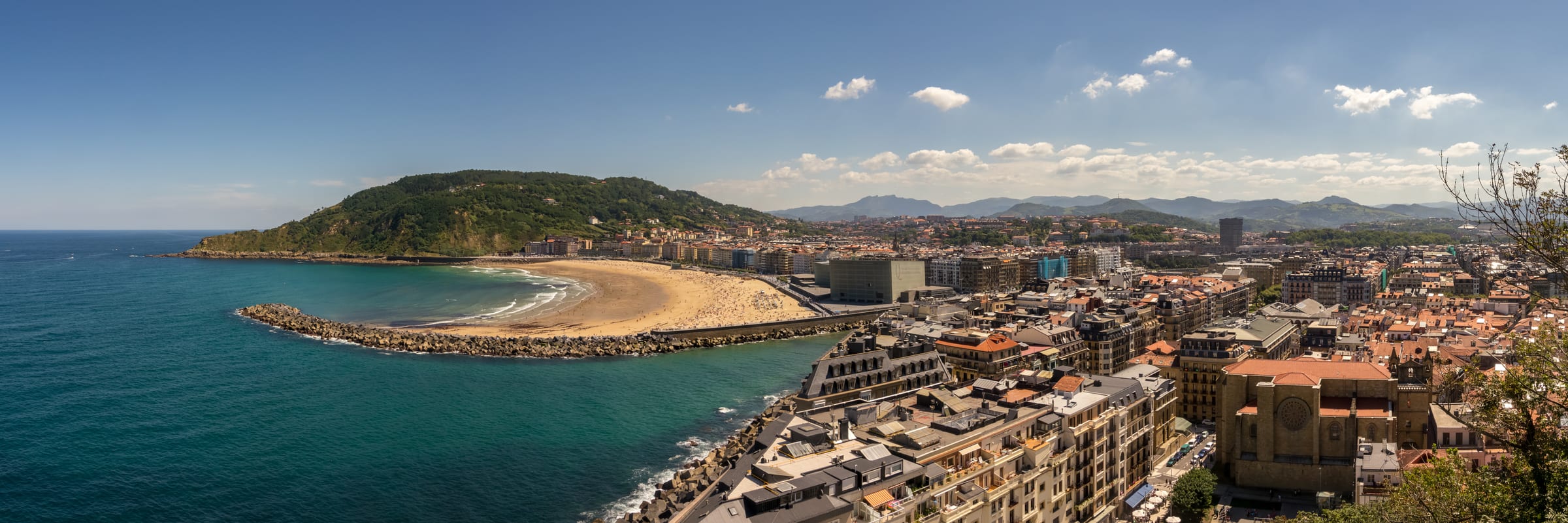
San Sebastian is the city many visitors imagine when they think of the Basque Country: La Concha Bay, old-town streets, pintxos counters, beach walks, and viewpoints above the sea.
It is a good place to slow down. You can see the main sights in a day, but the city works better with two nights if you care about food and atmosphere. It is also a strong base for Hondarribia, Getaria, Zumaia, and the French Basque coast.
Read the San Sebastian travel guide if food, beaches, and walkability are priorities.
The Basque Coast
The coast is where the region becomes especially visual. Between Bilbao and San Sebastian, you find cliffs, fishing ports, beaches, surf towns, and day-trip stops that make a short itinerary feel fuller.
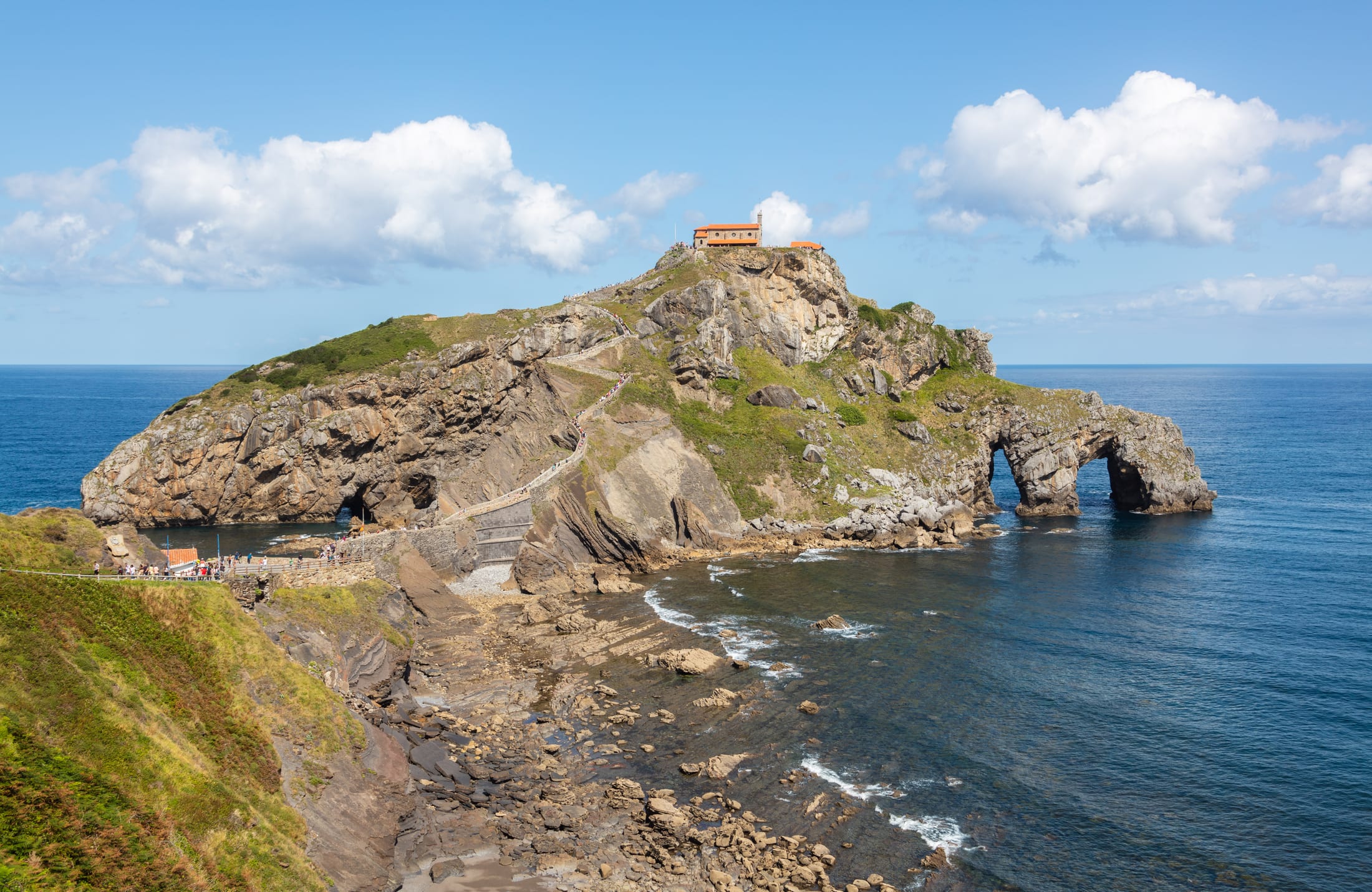
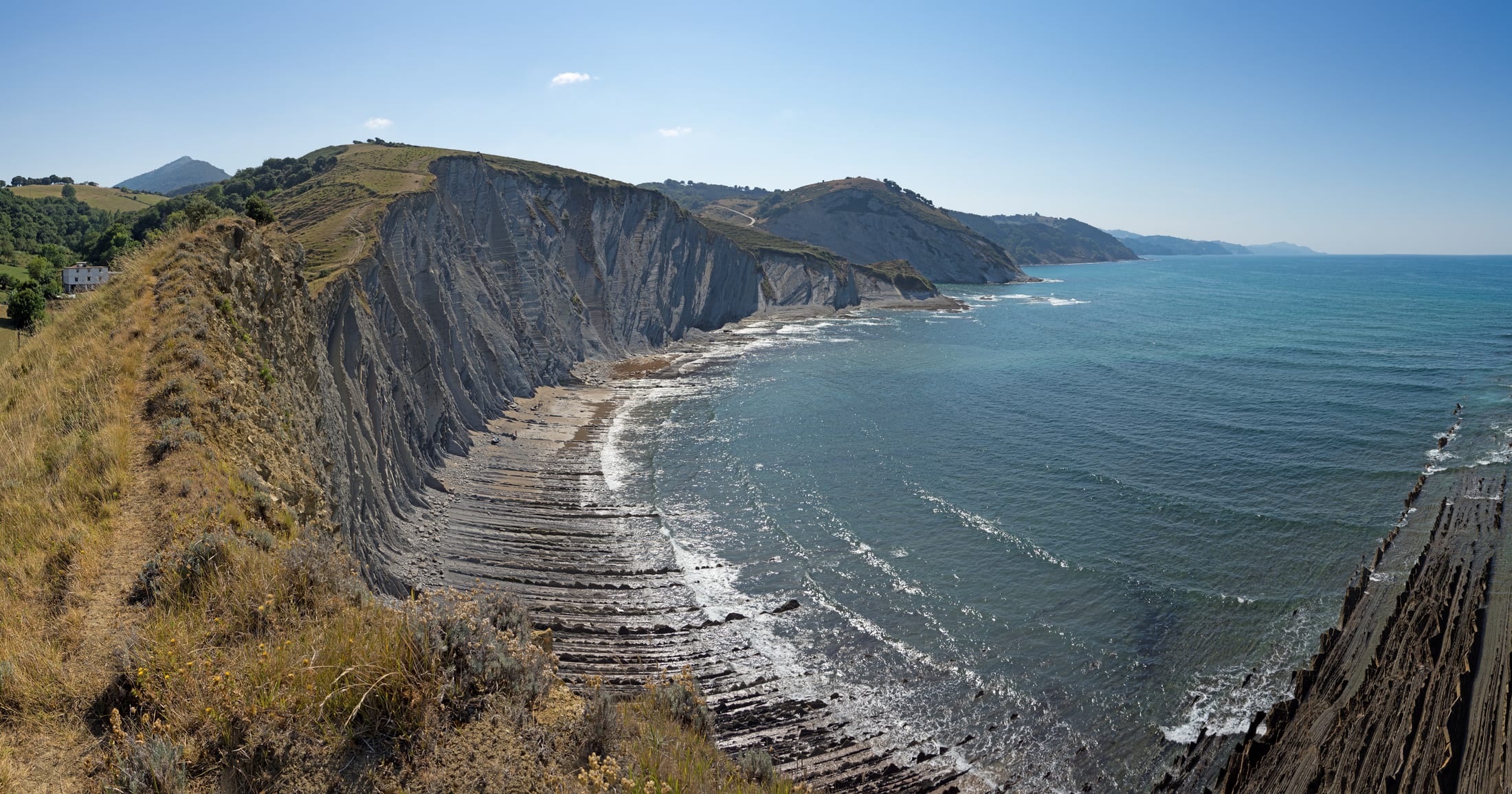
San Juan de Gaztelugatxe is one of the most dramatic coastal sights near Bilbao. Getaria is a small fishing town with seafood and txakoli wine nearby. Zumaia is known for its flysch cliffs and geological coastline. Hondarribia, near the French border, is one of the most attractive small towns for a day trip from San Sebastian.
The coast is easier with a car, but parts can still be done by public transport with planning.
Vitoria-Gasteiz
Vitoria-Gasteiz is the capital of the Basque Autonomous Community, but it is often skipped by first-time visitors focused on Bilbao and San Sebastian. That does not mean it lacks value. It has a medieval center, green spaces, and a calmer rhythm.
For a first short trip, it is usually not essential. For a slower or repeat visit, it can add a different side of the region.
French Basque Country
If you have extra time, the French Basque Country can pair naturally with San Sebastian. Places such as Biarritz, Bayonne, Saint-Jean-de-Luz, and smaller coastal or inland towns show another side of Basque culture.
For a first 3-day trip, it is probably too much. For a 5-7 day route, it becomes more realistic.
How Many Days Do You Need?
2 Days
Two days is enough for either Bilbao or San Sebastian, but not enough for the region as a whole. If you only have a weekend, choose one city and avoid rushing.
Pick Bilbao if you want airport convenience and museums. Pick San Sebastian if you want food and scenery.
3 Days
Three days is the best minimum for a first Basque Country trip. You can see Bilbao, San Sebastian, and one flexible coastal or food-focused element.
Use the 3 days in the Basque Country itinerary for a realistic route.
5 Days
Five days is much better. It gives you time for Bilbao, San Sebastian, coastal towns, a slower food experience, and less stressful transfers.
This is the ideal length for many first-time visitors who do not want to rent a car for a full week.
7 Days Or More
With a week, you can build a proper road trip or a deeper public-transport itinerary. You can add the Basque Coast, Vitoria-Gasteiz, Rioja Alavesa, French Basque Country, or more time around food and nature.
| Trip length | Best plan | Avoid |
|---|---|---|
| 2 days | Choose Bilbao or San Sebastian | Trying to see the whole region |
| 3 days | Bilbao, San Sebastian, one flexible day | Changing hotels every night |
| 5 days | Two cities plus coast or food day | Overbooking restaurants and transfers |
| 7+ days | Add coast, inland routes, or French Basque Country | Treating every stop as a checklist |
Suggested First-Time Itinerary
For most visitors, the easiest first route looks like this:
- Start in Bilbao.
- Spend one or two days exploring the city.
- Travel to San Sebastian.
- Spend two days there.
- Add one day for the coast, Hondarribia, Getaria, Zumaia, or San Juan de Gaztelugatxe.
This route works because it gives you the two main cities and one smaller-place experience. It also avoids the common mistake of trying to visit every famous name in a short trip.
If you prefer structured plans, go to the Basque Country itineraries hub.
Getting Around
The Basque Country is manageable without a car if your trip is based around Bilbao and San Sebastian. Public transport connects major cities and many useful visitor routes, and both main cities are easy to explore on foot once you are there.
That said, a car changes the kind of trip you can have. It helps with coastal viewpoints, rural restaurants, smaller villages, and flexible stops between places. It is less useful if you mainly want museums, old towns, beaches, and pintxos evenings.
Use public transport if:
- You are visiting Bilbao and San Sebastian.
- You prefer not to drive.
- You want a simple city-focused trip.
- You are staying near central areas.
Consider a car if:
- You want several coastal towns in one day.
- You want rural restaurants or cider houses.
- You want flexibility for weather.
- You are building a road trip.
Before booking anything, read getting around the Basque Country. Transport details change, so always check official operators before travel.
Food And Pintxos
You can visit the Basque Country for landscapes and cities, but food will probably shape the trip more than you expect.
Pintxos are the most accessible entry point. They are small bar bites, usually eaten with a drink, often as part of a route through several bars. The experience can feel confusing the first time if you expect a seated restaurant meal. Once you understand the rhythm, it becomes one of the most enjoyable parts of the region.
San Sebastian is the most famous pintxos city, but Bilbao is also excellent. Coastal towns add seafood, grilled fish, anchovies, txakoli wine, and slower meals. Cider houses and markets can become part of a longer food-focused itinerary.
Start with what pintxos are and the broader Basque food guide.
Best Time To Visit
The Basque Country is green for a reason: weather can be changeable. Do not plan a trip expecting guaranteed dry days, especially on the coast.
Spring and early autumn are often good for a balance of mild weather, food, and fewer crowds. Summer brings beach energy and longer days, but also higher demand in San Sebastian and coastal areas. Winter can still work for food, museums, city stays, and quieter travel, though the weather is less predictable.
If beaches are central to your trip, summer has the strongest appeal. If food, cities, and culture matter more, shoulder seasons can be better.
Where To Stay
For a first visit, the simplest choices are Bilbao, San Sebastian, or both.
Stay in Bilbao if you arrive late, want easier airport logistics, care about museums, or plan western day trips. Stay in San Sebastian if you want food, beaches, and a beautiful walking base. Split your stay if you have three or more nights and do not want to backtrack.
Do not overcomplicate your first trip by sleeping in a different town every night. The distances are not huge, but packing, checking in, and moving luggage can eat into the relaxed rhythm that makes the region enjoyable.
Language And Local Context
Spanish and Basque are both official languages in the Basque Autonomous Community. You will see Basque names everywhere: Donostia for San Sebastian, Gasteiz for Vitoria, and many road signs, menus, and place names in Basque.
You do not need to speak Basque to visit. Spanish is widely used, and English is common enough in major tourism settings, especially hotels, museums, and central restaurants. Still, learning a few basic greetings and place names is a small way to travel with more respect.
The important thing is to understand that the Basque Country is not just another region of Spain with nice food. It has its own language, identity, institutions, and cultural memory. You do not need to master that history before visiting, but recognizing it will make the trip richer.
Common First-Trip Mistakes
Trying To See Too Much
The Basque Country looks small on a map, but the best experiences are not always quick checklist stops. Leave room for meals, weather, walks, and unplanned discoveries.
Treating Pintxos Like A Normal Dinner
Pintxos are often about movement and atmosphere. Do not sit in one place waiting for the whole experience to come to you. Try one or two things, have a drink, and move on.
Choosing Only One City Without Knowing The Difference
Bilbao and San Sebastian offer very different experiences. If you choose only one, make sure it matches the trip you want.
Ignoring Transport Practicalities
Some day trips are simple. Others take more planning than expected. Check current schedules, especially if you are traveling outside peak times or trying to visit smaller coastal towns.
Forgetting The Weather
Pack for changeable conditions. Even if the forecast looks good, a light rain layer is rarely a bad idea on the Basque coast.
How To Use This Site
If you are at the beginning of planning, start here:
- Bilbao travel guide for the main gateway city.
- San Sebastian travel guide for food, beaches, and classic scenery.
- Bilbao vs San Sebastian if you need to choose.
- Basque Country itineraries if you know your trip length.
- Basque food guide if food is a major reason you are coming.
- Getting around the Basque Country before deciding on public transport or car rental.
The goal is not to give you one perfect trip. It is to help you make good choices, understand the region, and avoid wasting time on a route that looks good on paper but feels rushed in real life.
Sources And Useful Official Links
For practical planning, check official sources before your trip: