Basque culture is one of the main reasons the region feels different from other parts of Spain and France. Visitors often arrive for Bilbao, San Sebastian, pintxos, beaches, or the coast, but the trip becomes more meaningful when you notice the language, symbols, food rituals, rural traditions, coastal work, and strong local identity.
This guide is a first orientation. It is not an academic history. It is meant to help visitors recognize what they are seeing while traveling through the Basque Country.
Quick Answer
Basque culture is shaped by Euskara, local food rituals, coastal towns, rural landscapes, traditional sports, music, symbols, and a strong sense of place. You do not need to understand every historical detail before visiting, but noticing these layers will make the trip richer.
For a first visit, pay attention to:
- Basque place names on signs.
- Pintxos as a social ritual, not only food.
- Fishing towns and coastal work.
- Rural sports and local festivals.
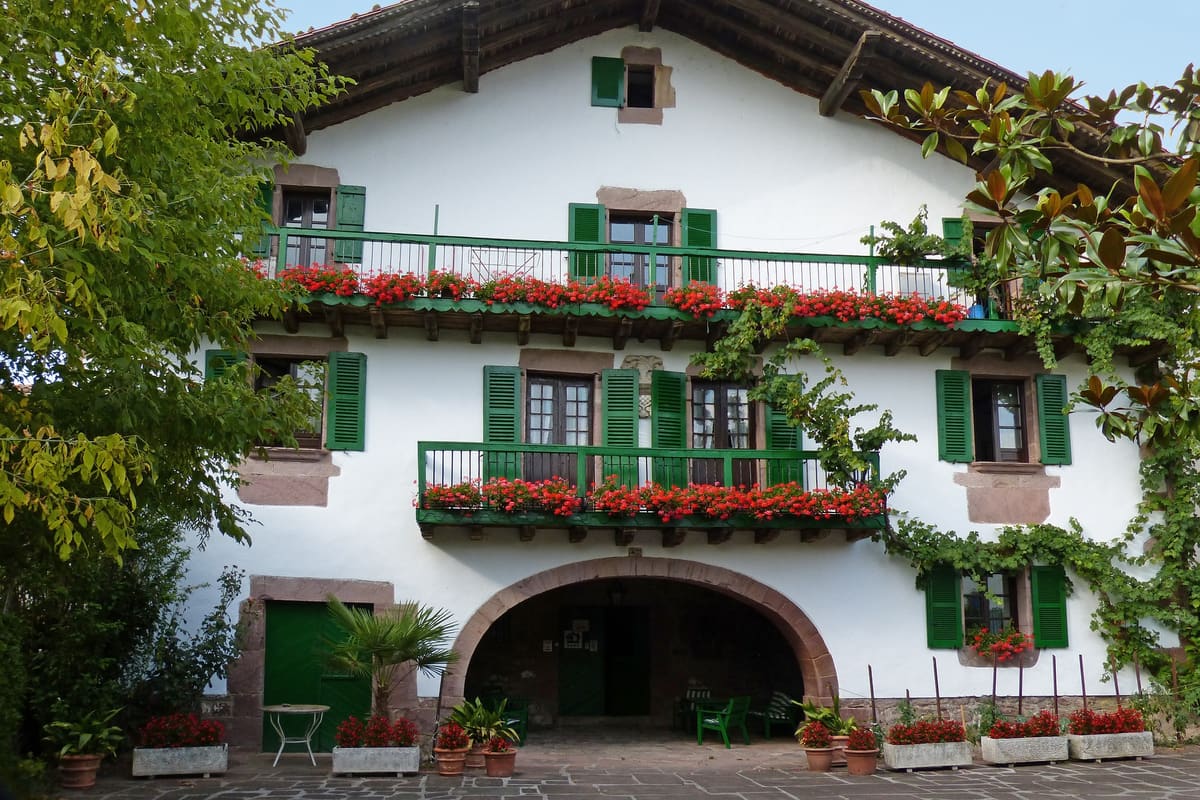
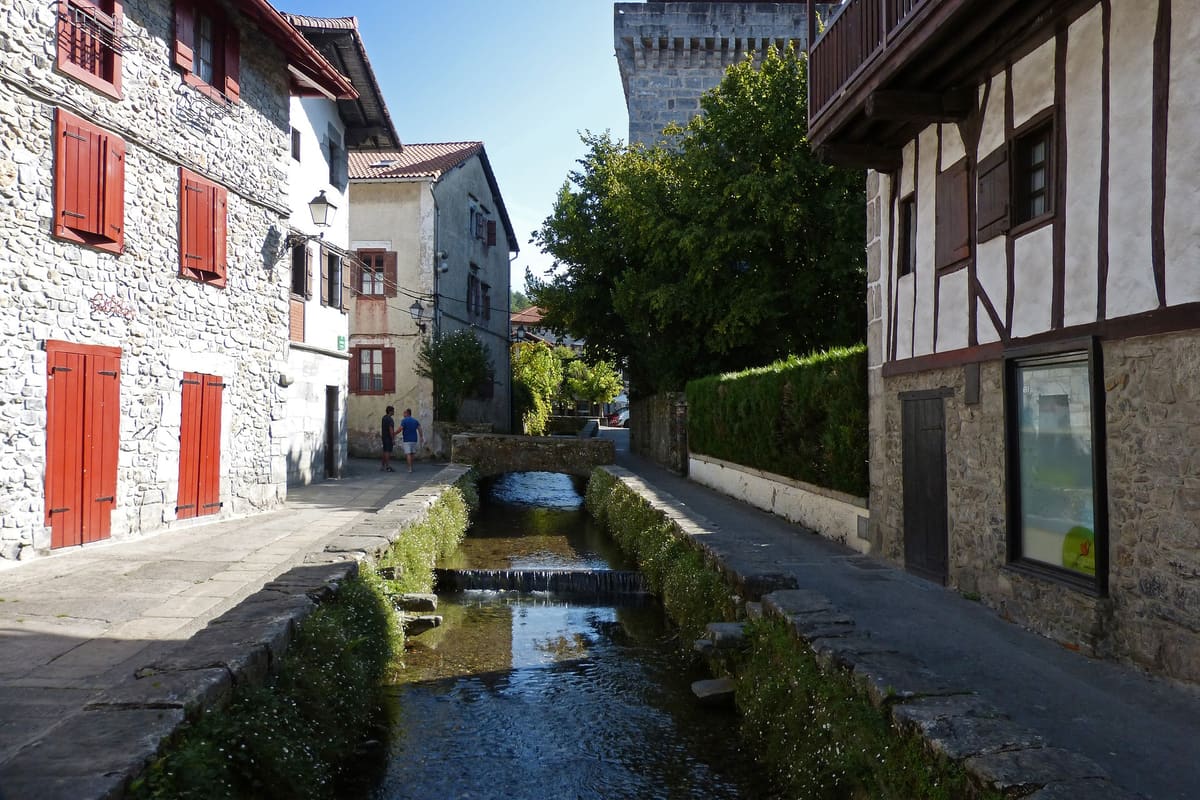
- Caserios, old stone houses, and village architecture.
- The difference between tourist highlights and everyday local rhythm.
Language And Place Names
Euskara, the Basque language, is one of the clearest signs that you are somewhere culturally distinct. You will see it on road signs, transport, public buildings, menus, and place names.
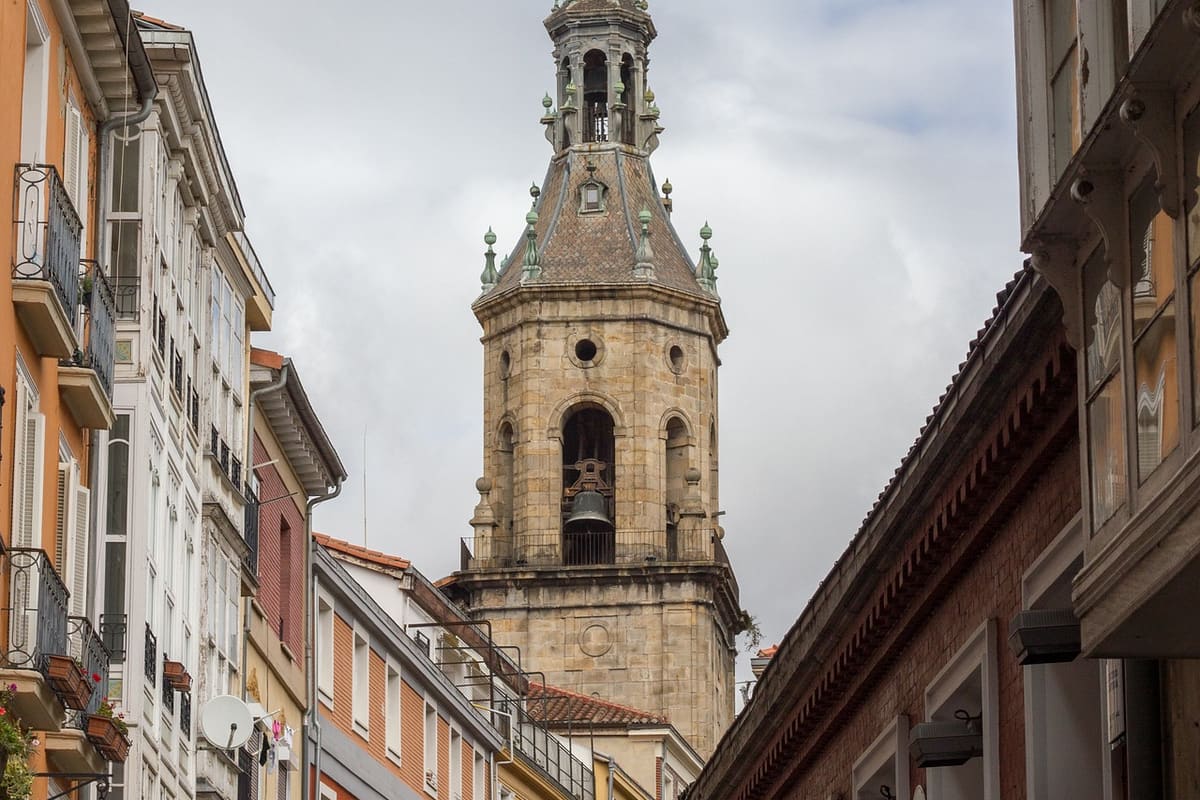
Some names have Spanish and Basque forms. San Sebastian is also Donostia. Vitoria is Gasteiz. The Basque Country itself is often connected with names such as Euskadi and Euskal Herria, depending on context.
Visitors do not need to speak Basque to travel well. Spanish is widely used in the Spanish Basque Country, and English appears in many tourism settings. But recognizing Basque names helps you understand signs, maps, and the cultural confidence of the region.
Food As Culture
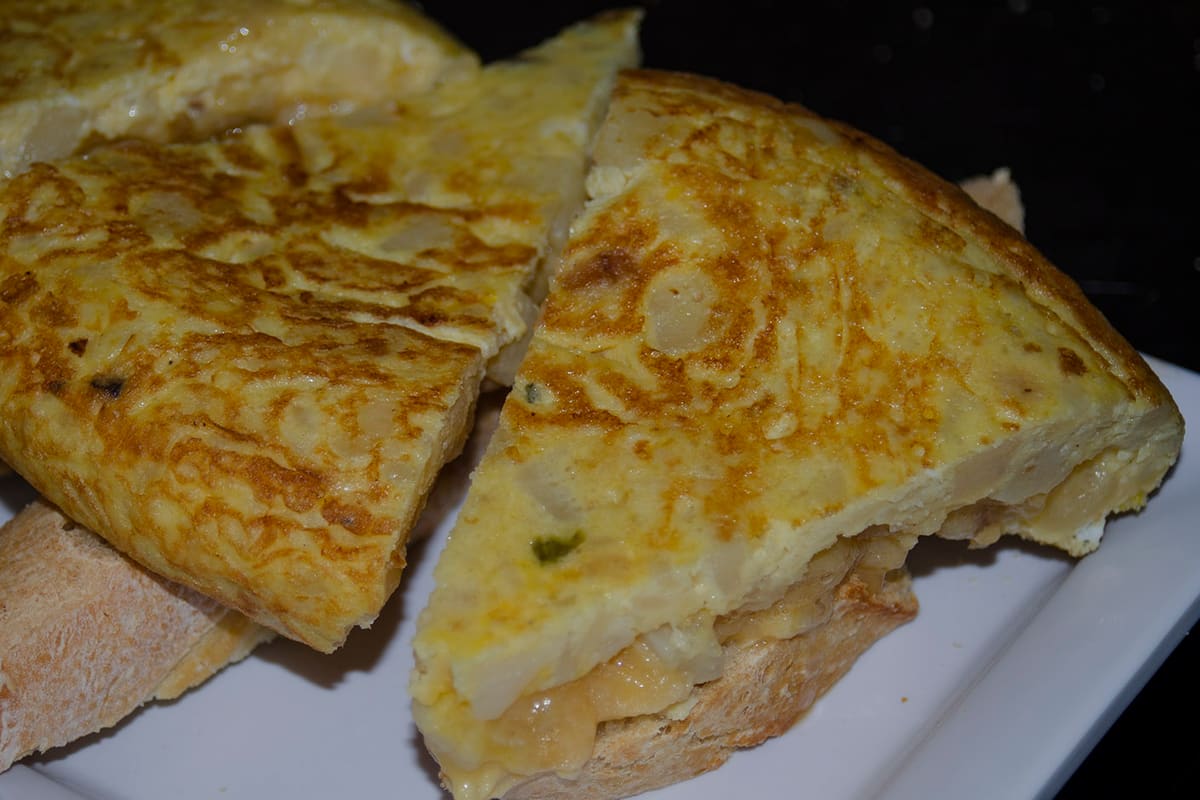
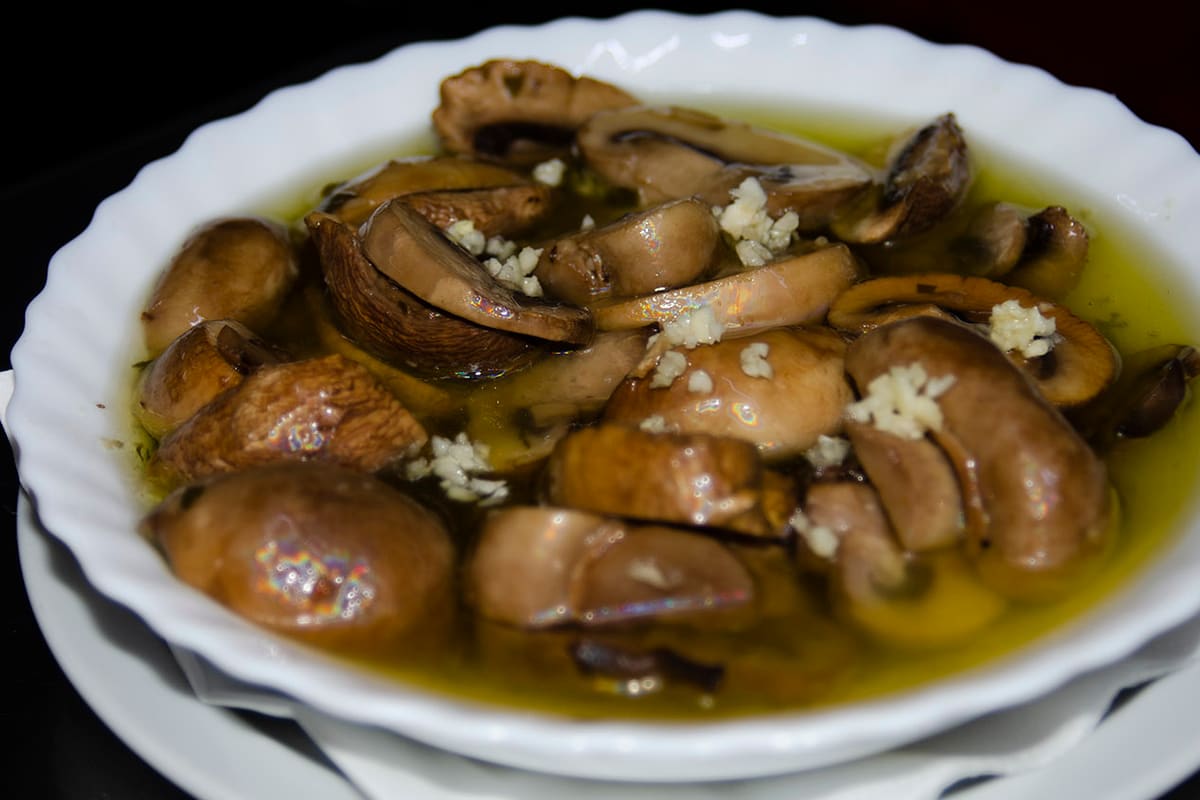
Food is not only a reason to visit; it is one of the easiest ways to feel Basque culture in practice. Pintxos are the obvious example. A pintxos evening is social, mobile, and local in rhythm: one drink, one or two bites, a little conversation, and then another bar.
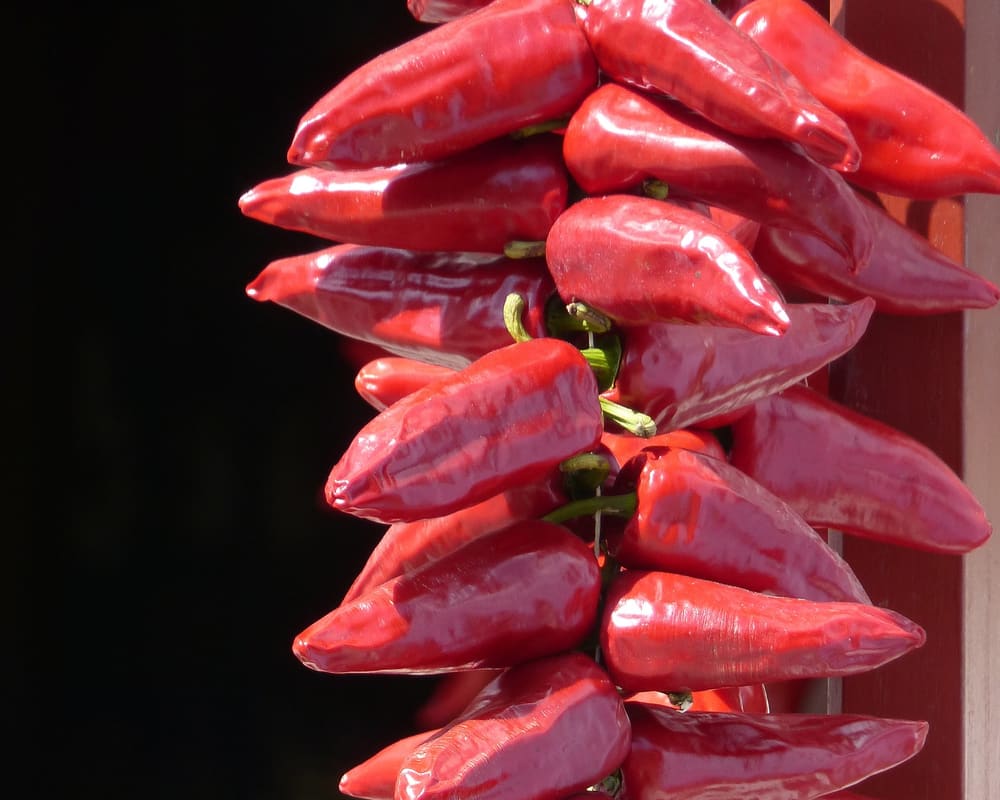
Markets, seafood towns, cider houses, txakoli, Idiazabal cheese, peppers, anchovies, and simple grilled food also say a lot about the region. Some of the best experiences are not fancy. They are rooted in product, season, and habit.
Start with the Basque food guide and what pintxos are if food is part of your route.
Coastal And Rural Life
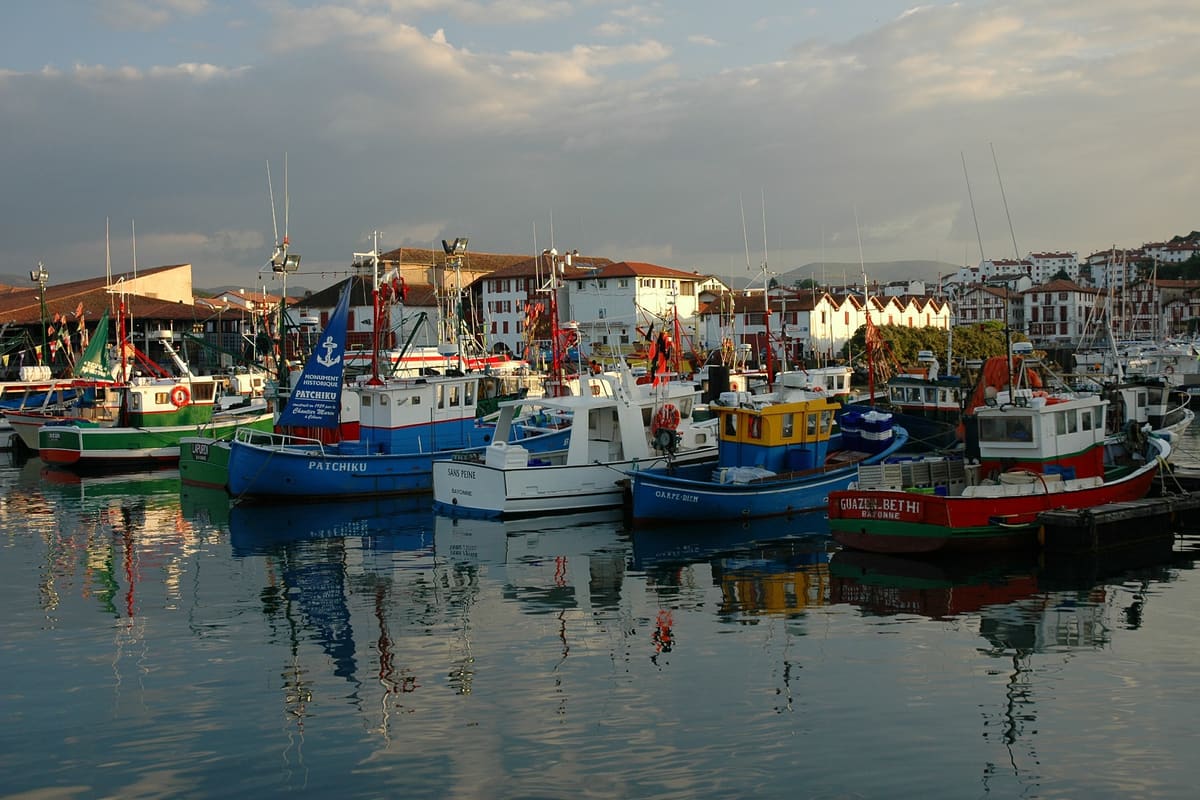
The Basque Country is compact, but it changes quickly. Bilbao and San Sebastian are the main visitor anchors, yet smaller fishing towns, ports, valleys, and hillside villages explain a different part of the culture.
The coast gives you harbors, boats, seafood, cliffs, and maritime memory. Inland and rural areas bring caserios, green slopes, local roads, and a slower relationship with landscape.
If your trip only includes the two main cities, you can still have a strong first visit. But if you have time, add at least one coastal or village stop.
Symbols, Sports, And Everyday Identity
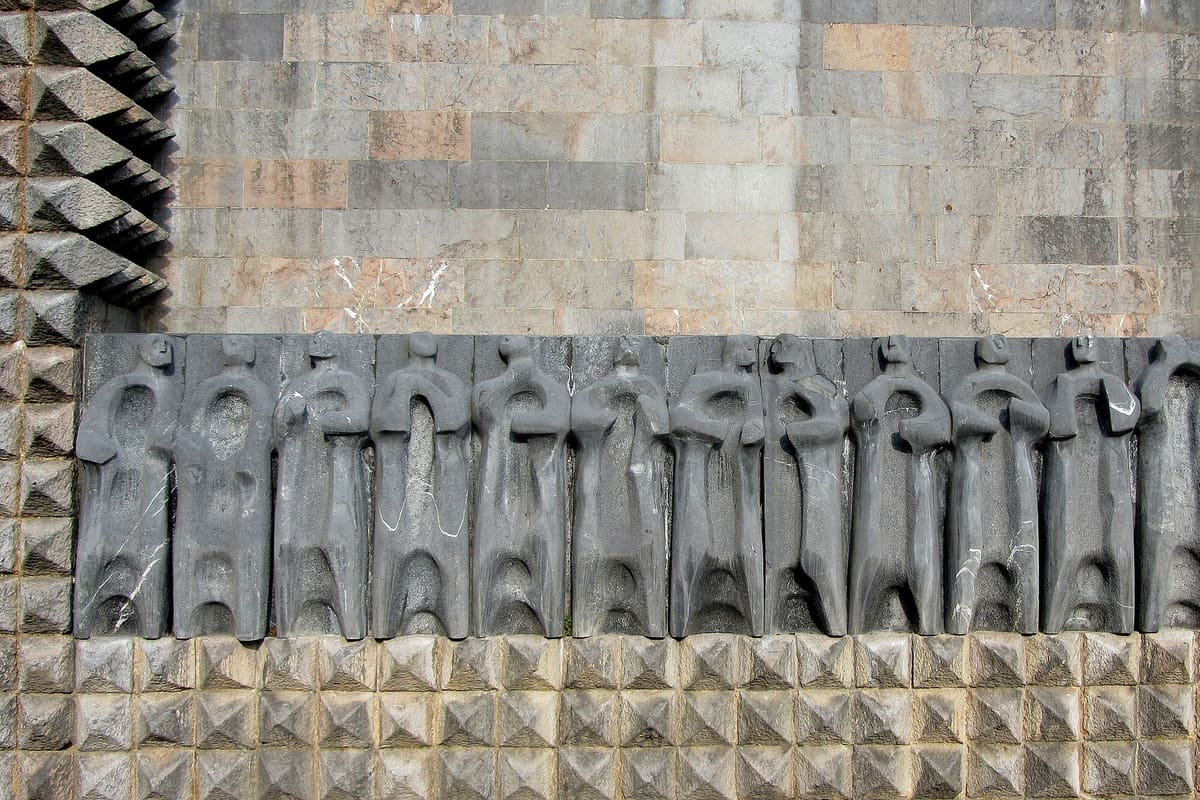
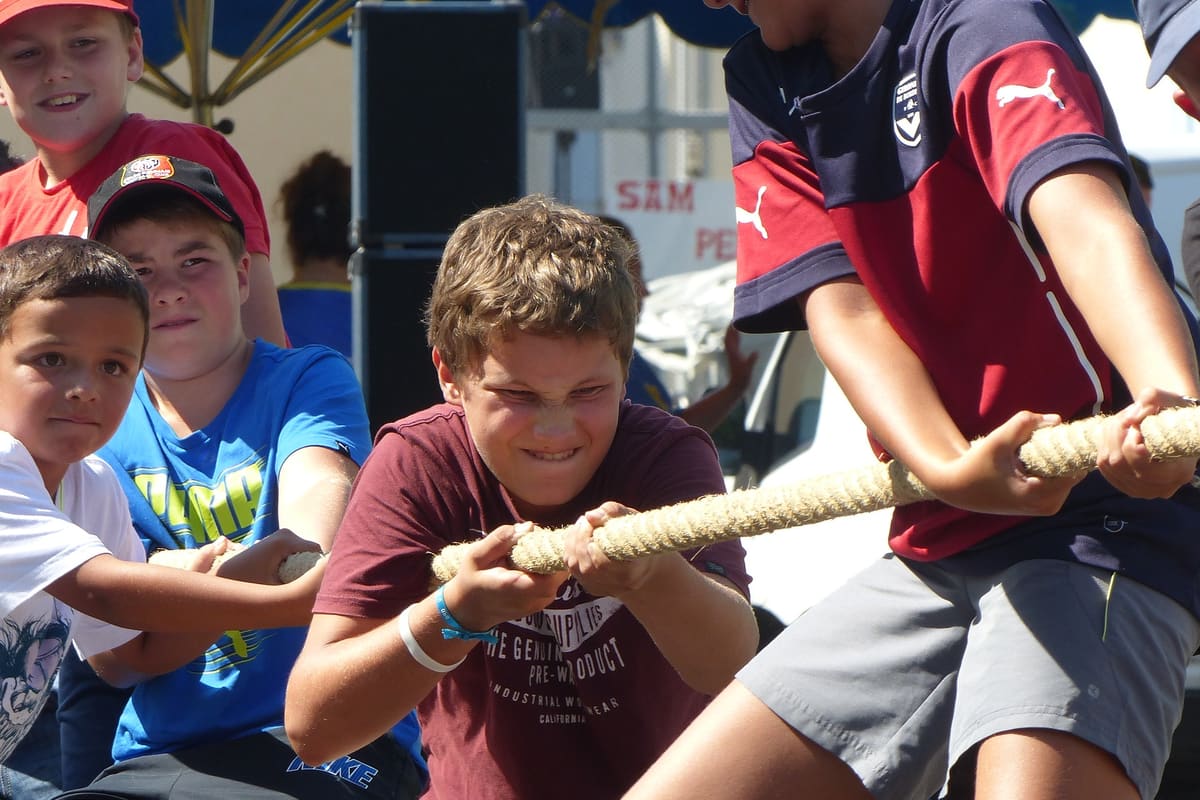
Basque identity appears in symbols, flags, typography, sports, music, festivals, and local institutions. Some signs are obvious; others are quiet. You may see traditional motifs in stonework, rural sports such as tug-of-war or stone lifting, local festivals, and strong regional names in everyday life.
Do not treat culture as a museum category. Much of it is ordinary: how people eat, name places, gather in bars, use language, celebrate local events, or stay connected to towns and landscapes.
How To Travel With More Cultural Context
For a first trip, you do not need a complicated cultural plan. Add context through small choices:
- Learn a few place names before you go.
- Read menus and signs slowly instead of skipping over Basque words.
- Spend time in a market, port, or smaller town.
- Treat pintxos as a rhythm, not only a meal.
- Avoid reducing the Basque Country to Bilbao, San Sebastian, and one scenic viewpoint.
The best Basque Country trip combines practical travel planning with enough attention to understand why the region feels so specific.
Related Guides
Use these next: